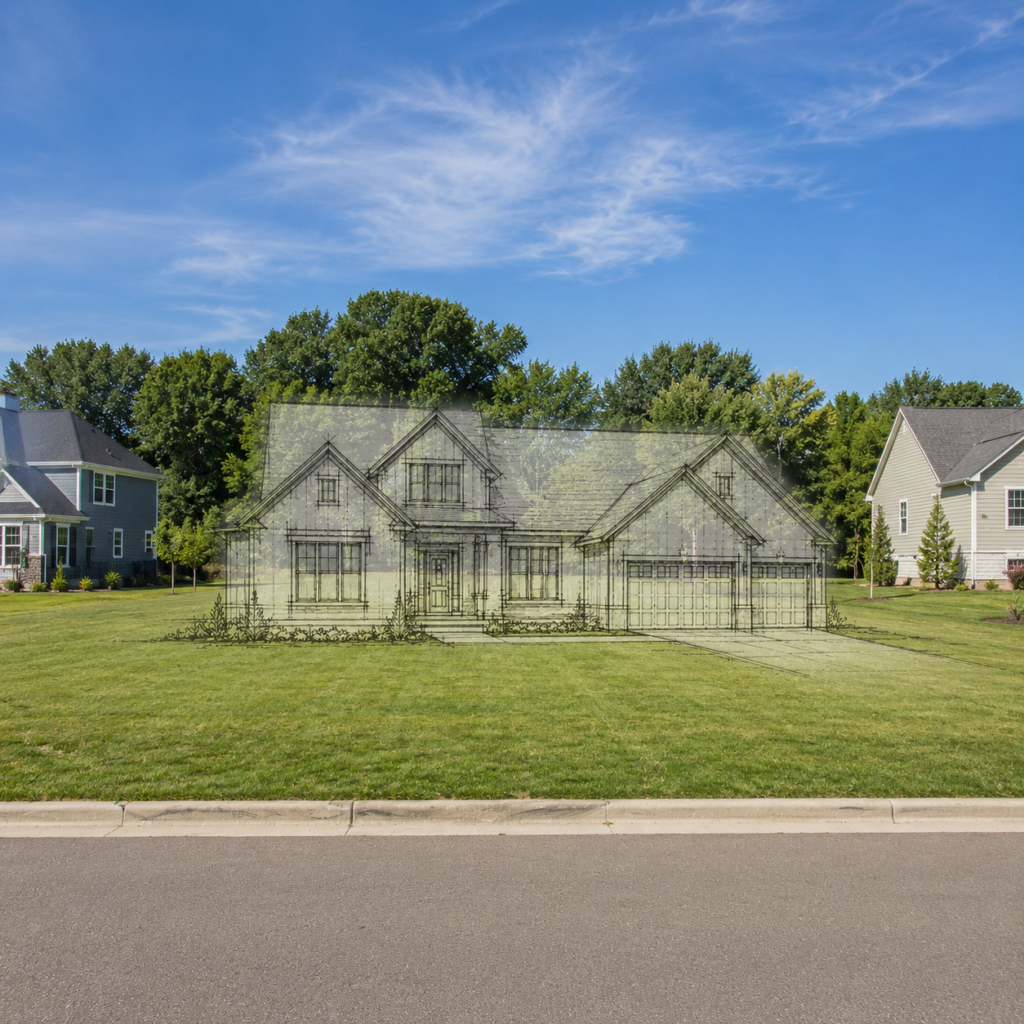


The result?
- A home that truly fits your family and your finances
- Far fewer costly changes and surprises during construction
- Better value and more confidence in the final outcome
Here’s what makes the difference:
- Due Diligence – We uncover site, permitting, and budget realities upfront.
- Early Decisions – Key choices are made when they’re most flexible and affordable.
- Fewer Surprises – Clear plans and specifications mean smoother construction and fewer stressful mid-build decisions.

Due diligence

Early decisions

Fewer surprises
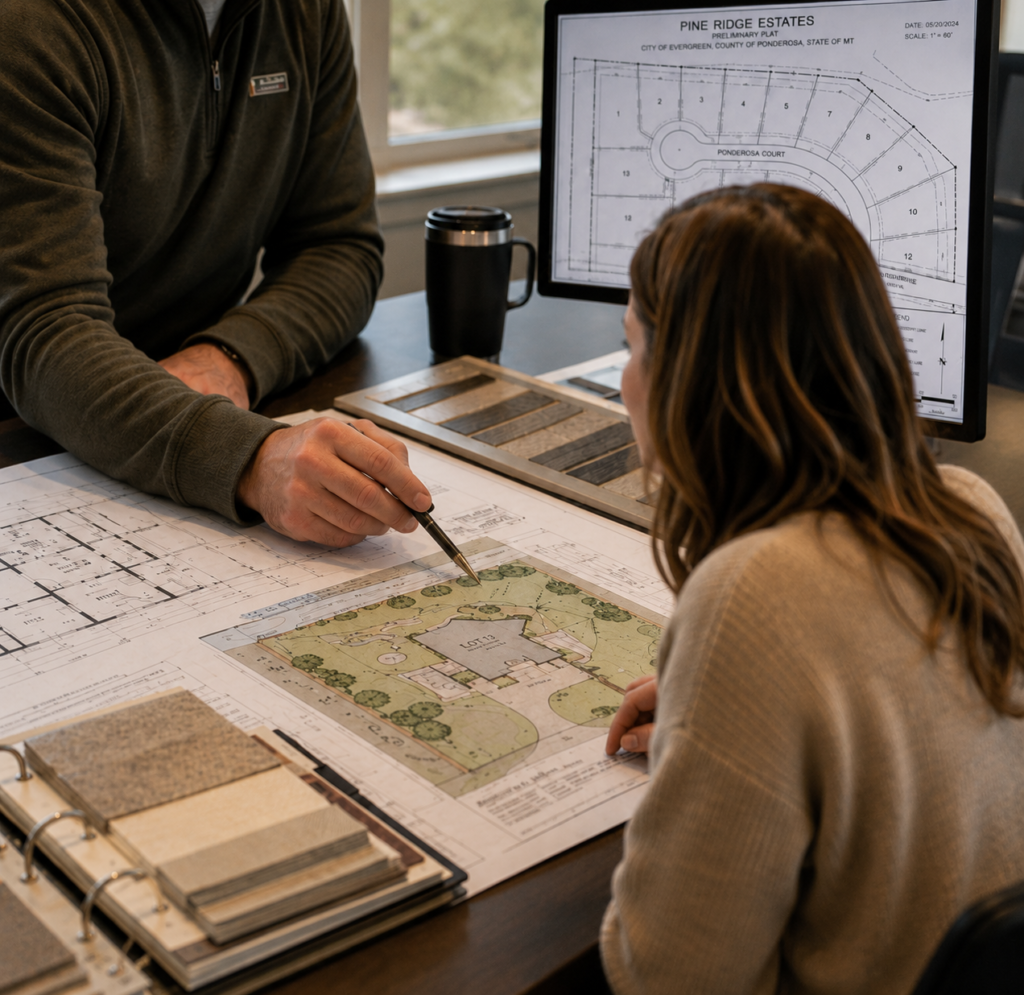
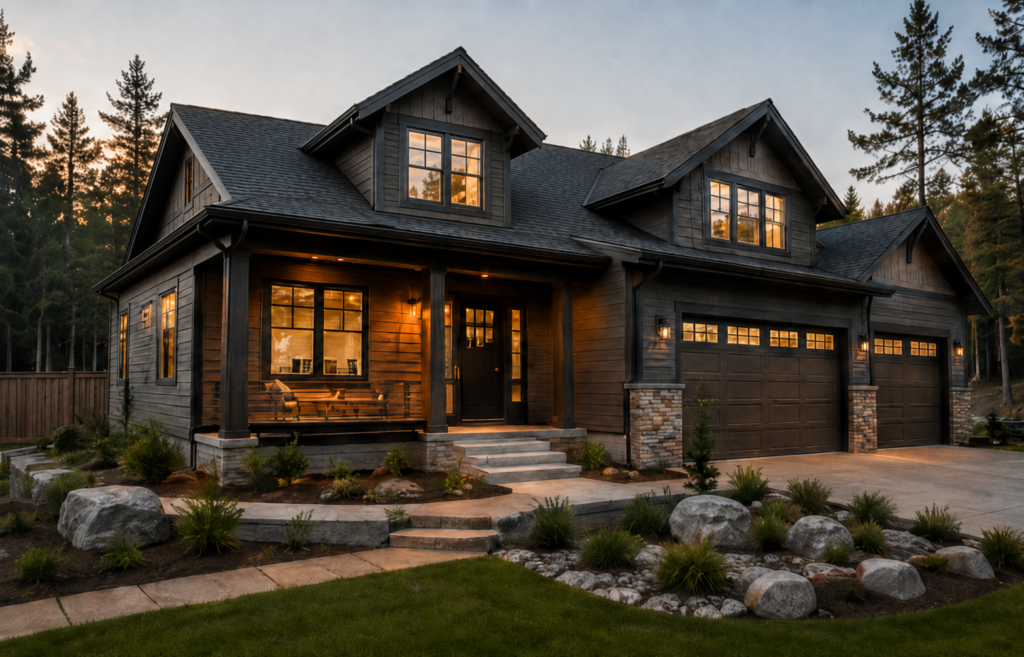
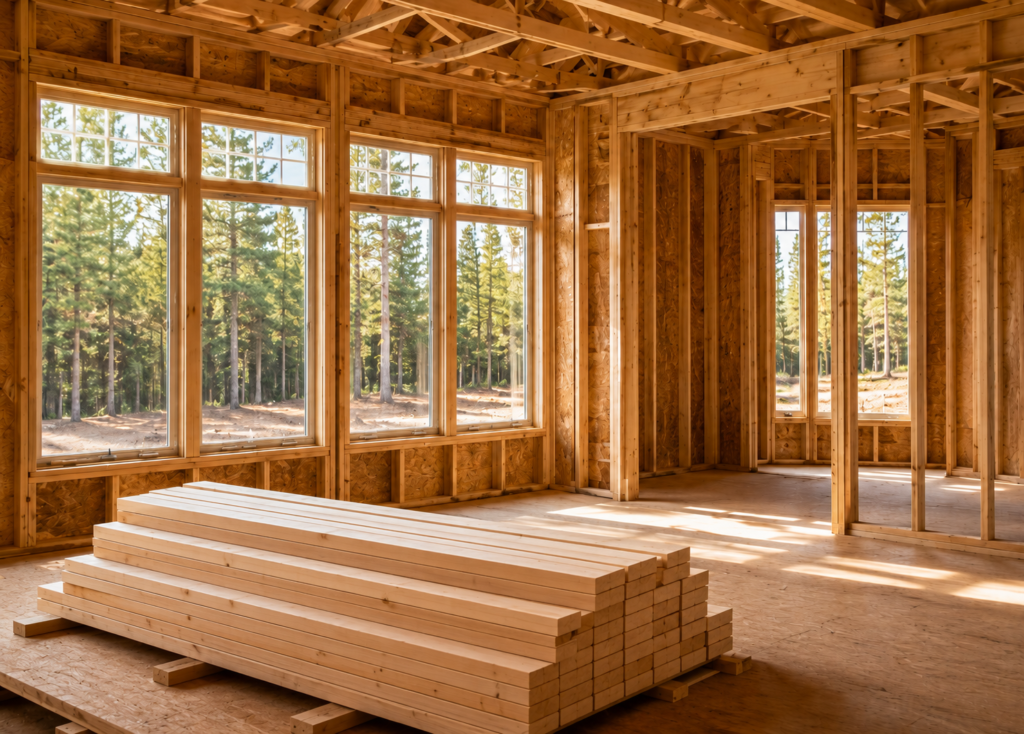
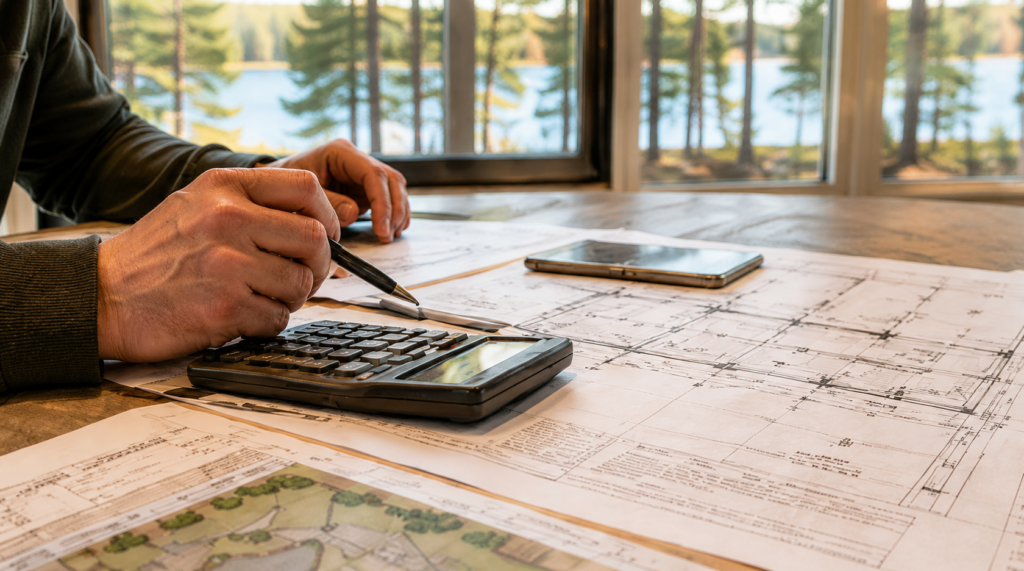
There are two numbers that matter:
- Your target budget is the number you have already planned around — the one you are financially comfortable with.
- Your stretch budget is the absolute ceiling. The point where the project still makes sense. Above that number, you would not move forward with the project.
Knowing that gap makes every decision easier. Some choices are worth pushing past the target because they make a big impact. Others are not worth the cost. When the boundary is clear, those trade-offs stop being stressful and start being straightforward.
After this step, you will know whether the project is feasible, what your real financial range is, and what the risks are as planning moves forward.
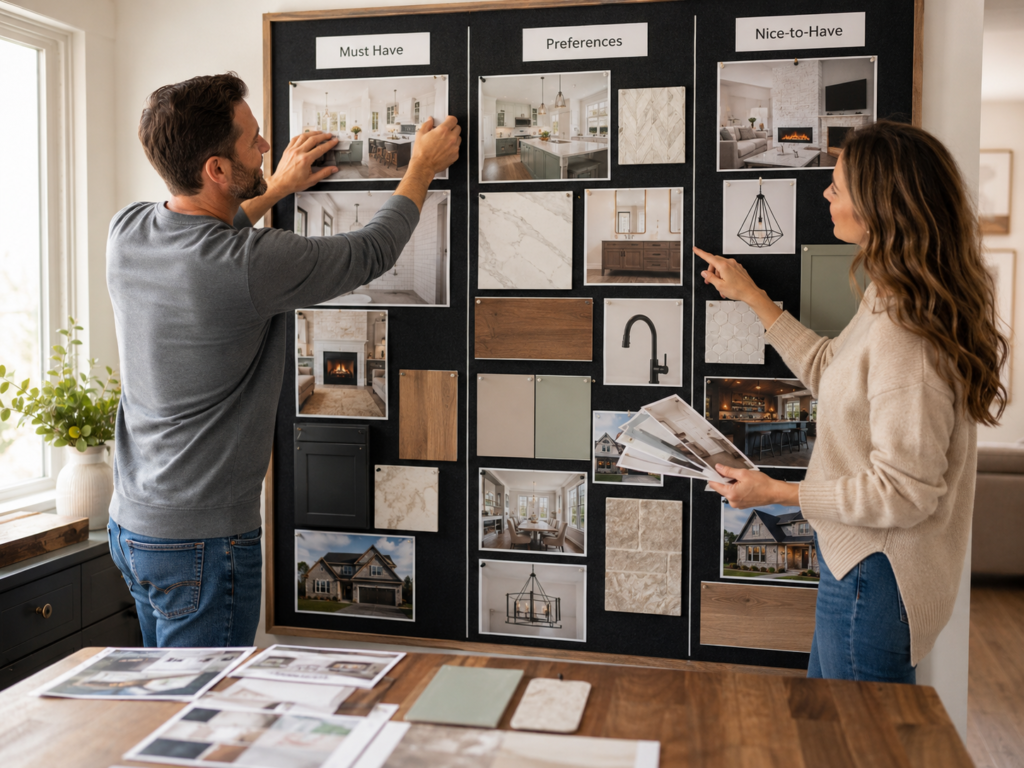
Most people start with a list of things they like. That is completely normal. The hard work is figuring out what belongs at the top.
Everything gets sorted into three buckets: must-haves, strong preferences, and nice-to-haves. This is about making sure money goes where it creates the most value for your family.
When the priorities are clear, each choice is a step towards achieving your goals.
During this step, you will gain a clear picture of what your home needs to include, what can wait, and where your money will have the biggest impact.
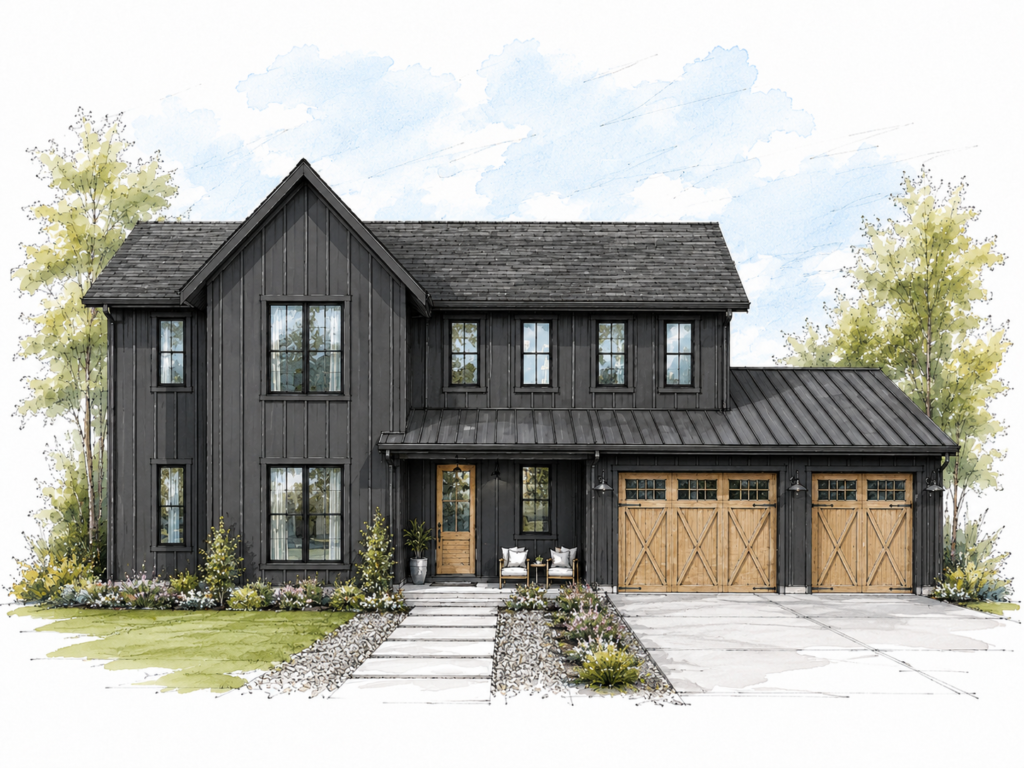
A bigger home is not necessarily better. A well-planned 2,000 square foot house can be more comfortable than a poorly planned 3,000 square foot house. What you want is function, not size.
Design decisions affect cost more than most people realize. Getting those decisions made early greatly reduces unexpected budget and stress increases later in the process.
The concept gets drafted, reviewed, and refined until it reflects your priorities and fits the budget.
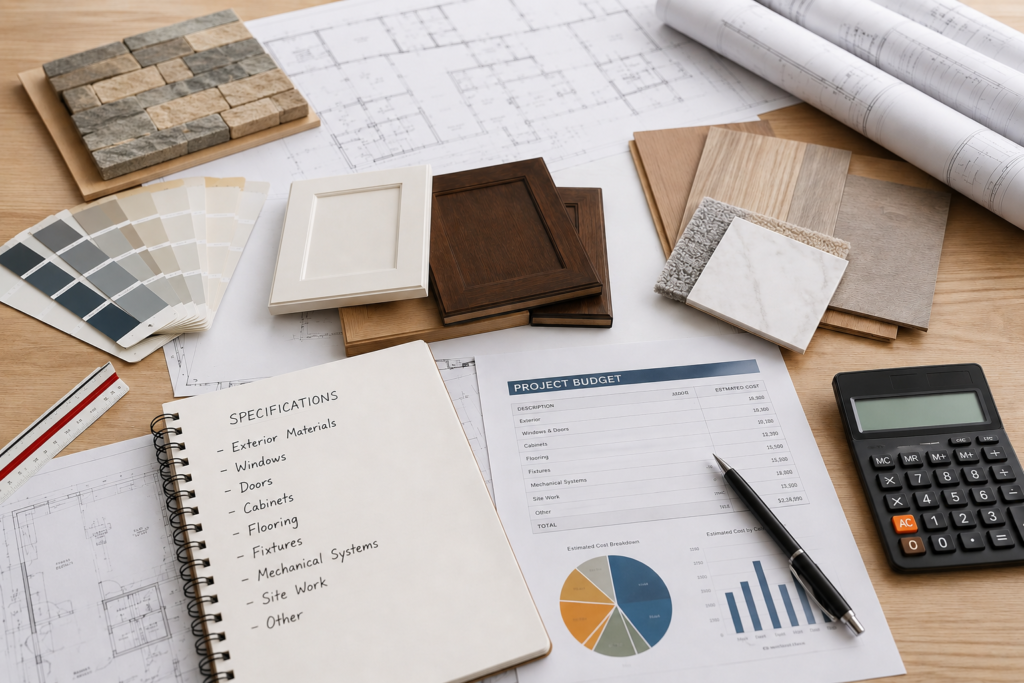
By the end of this step, you will have construction drawings, building permit, a firm cost to build, and everything a lender needs to move forward if financing is involved.
Every major selection has already been shaped by the priorities and budget work done in the earlier steps. The choices already made get finalized and documented and the project moves forward with confidence.
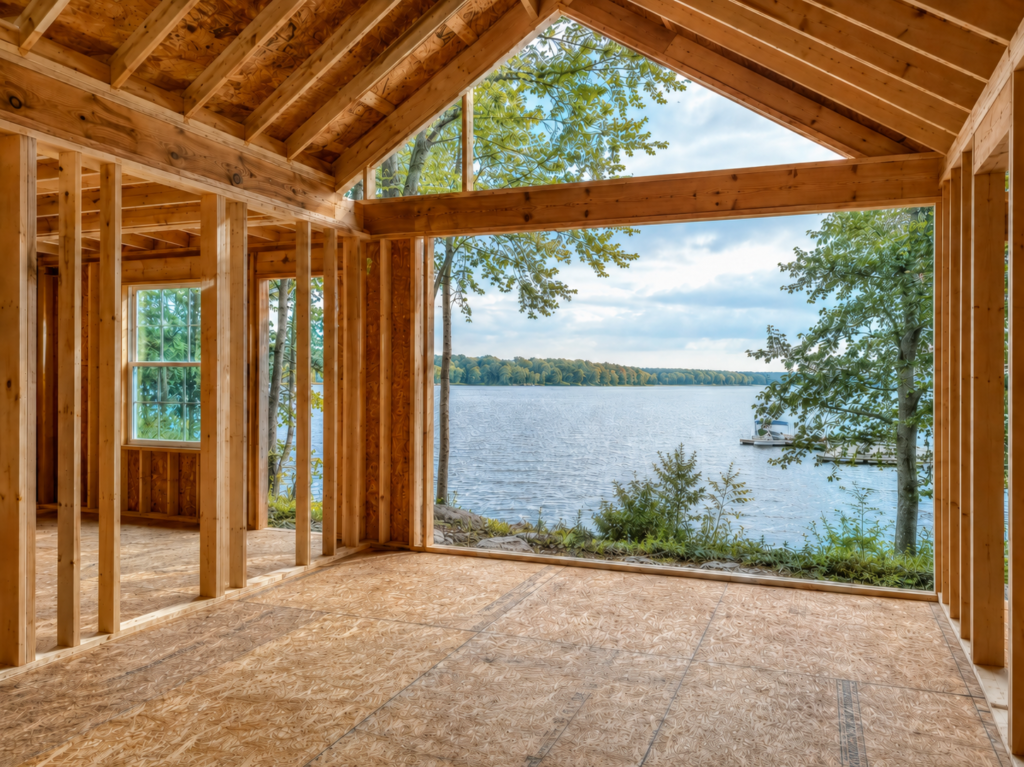
Construction involves a lot of moving parts: trades, materials, schedules, inspections, and decisions that all must come together in the right order. What looks like chaos from the outside is managed as a carefully coordinated sequence. Progress gets communicated to you regularly so you always know where things stand.
Your home also gets inspected frequently throughout the build — not just the minimum required by code. The work being completed is held to a high standard, and issues are identified and resolved before they become problems.
When something unexpected comes up — and in construction, something always does — it gets managed and communicated clearly. You will know what happened, what it means, and how it is being handled.
Your job at this stage is to prepare for the life you are about to start in this home. We take care of everything else.


- General budget range
- Preferred location or area
- Desired timeline
- Lot status (do you own land?)
- Approximate home size or number of bedrooms/bathrooms
- Garage needs
- Must-have features
- Concerns and priorities